Judith Godden and Kathie Rieth, Ku-ring-gai Historical Society
At 4:30 in the morning of 25 April 1915, men of the Australian and New Zealand Army Corps poured out of landing crafts to scale the Gallipoli Peninsula in Turkey. Had they succeeded, it would have dealt a decisive blow and, perhaps, shortened World War I.
Instead, like many a strategy devised far from the battlefield, it was a costly failure. For eight long months the ANZACS battled against Turks determined to defend their homeland. It was some consolation that the evacuation was brilliantly managed without a single death. The campaign became enshrined in Australian hearts for the men’s bravery and mateship. It was also a source of enduring grief.
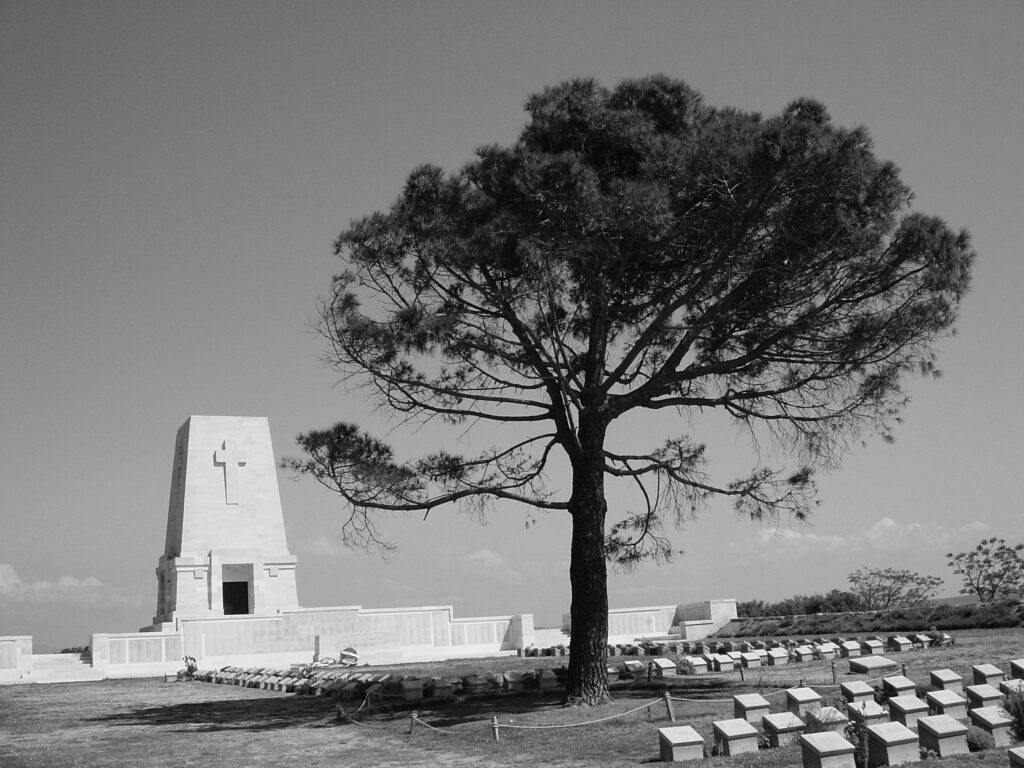
Some 50,000 Australians served at Gallipoli. Over half (at least 26,000) were injured, while around 8000 were killed or died of wounds or disease. Around 300 men who served at Gallipoli had a connection to the Ku-ring-gai area. Of these, 46 died at Gallipoli and 22 have no known grave. The latter are commemorated at the Lone Pine Memorial. Ku-ring-gai Historical Society has gone beyond the statistics so that we can better appreciate the human cost of war.
Private Cecil (‘Jerry’) Barrack, an engineer from Gordon, had the unwanted distinction of being the first of the Ku-ring-gai men to be killed at Gallipoli. Shot on the first day, his family had to wait for over a year before he was confirmed dead. Perhaps, like other families, they clung to the hope that he would be among the prisoners of war released when the war eventually ended.
The Woods family also knew about hope and grief. Fred and Flora Woods were storekeepers in Mudgee, raising five sons there. By 1914, the widowed Flora had moved to stay with family in Killara. Fred had been a keen member of the militia, so it was unsurprising that all sons enlisted. Two, Cecil and William Woods (‘Wylie’, pictured) fought at Gallipoli. Cecil died in the first charge on the Nek, a patch of land overlooked by Turkish guns. He was among 300 men, over half of whom were killed. He left behind a wife who he’d married a few months before enlisting.
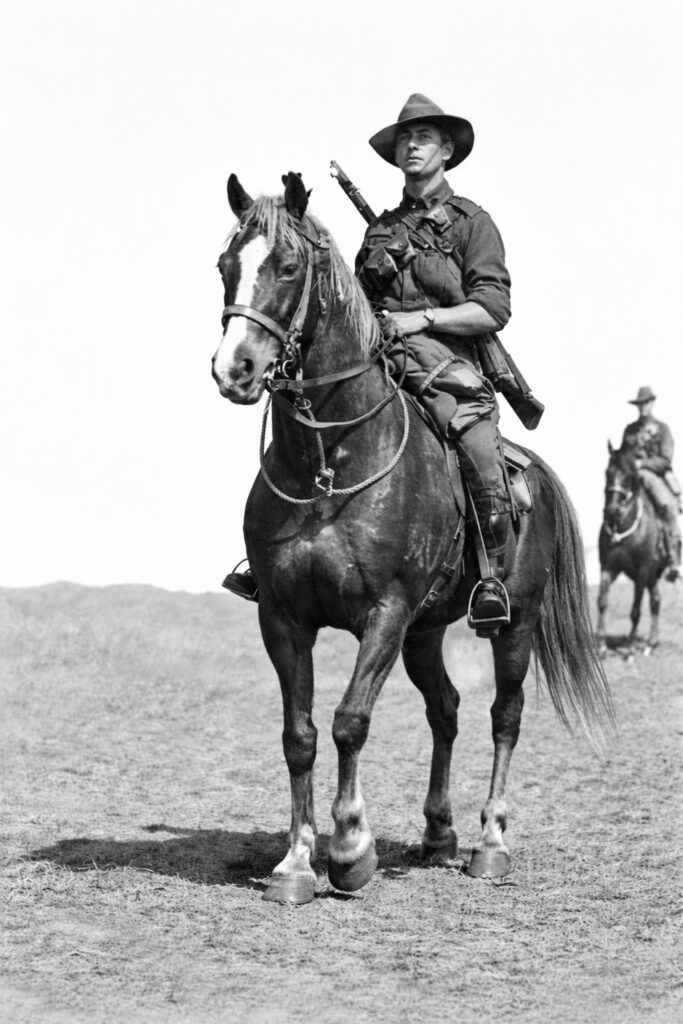
Trooper ‘Wylie’ Woods, 1st Light Horse Regiment (ed. J. Cameron). Image: Australian War Memorial
His brother Wylie was shot at the battle of Quinn’s Post and evacuated to a hospital ship, but died from his wounds. Of the other brothers, one was medically discharged while the other two served throughout the war then returned to civilian life.
On ANZAC Day we honour the courage of such individuals in all wars, and we remember the families who grieved their loss. We also reflect on the futures they never had the chance to enjoy and the peace their sacrifice helped secure.