In the polarising land of nutrition and wellness, the land of conflicting studies, fad trends, expert advice and social media influencing, it seems that what the public needs is something less sensational and a little more fundamental, from experts who aren’t trying to be the loudest or most clicked.
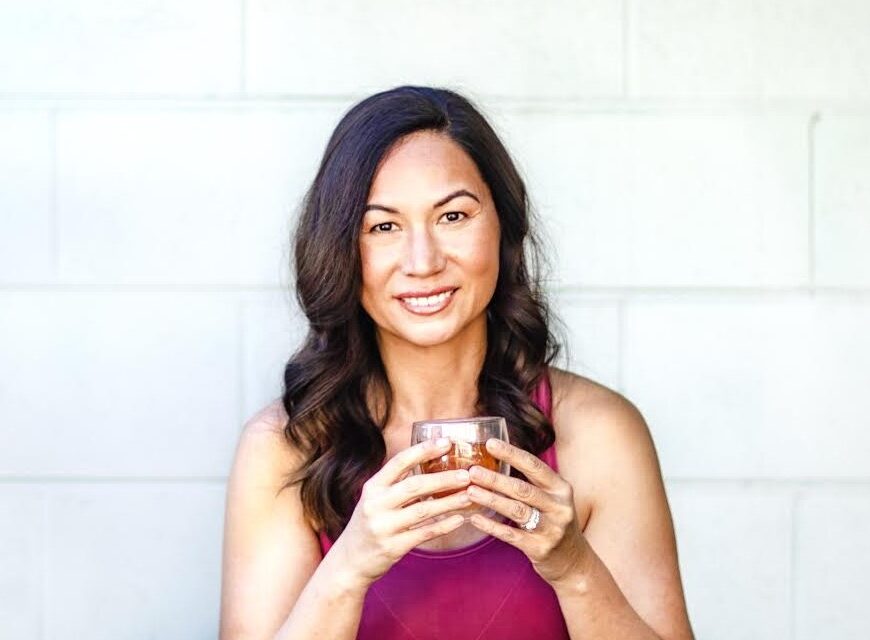
One such individual is Faye James, nutritionist and author of four books, who maintains that while nutrition science is constantly evolving, the fundamentals are remarkably consistent.
James says her role is “to make sense of an increasingly noisy and confusing landscape – not to hand people a rigid list of rules, but to translate the evidence into realistic, sustainable advice and help women understand what their bodies need at different stages of life.”
With Women’s Health Week on this month, from 7-11 September, it’s reassuring to hear from a voice who understands what healthy balance looks like, particularly for women.
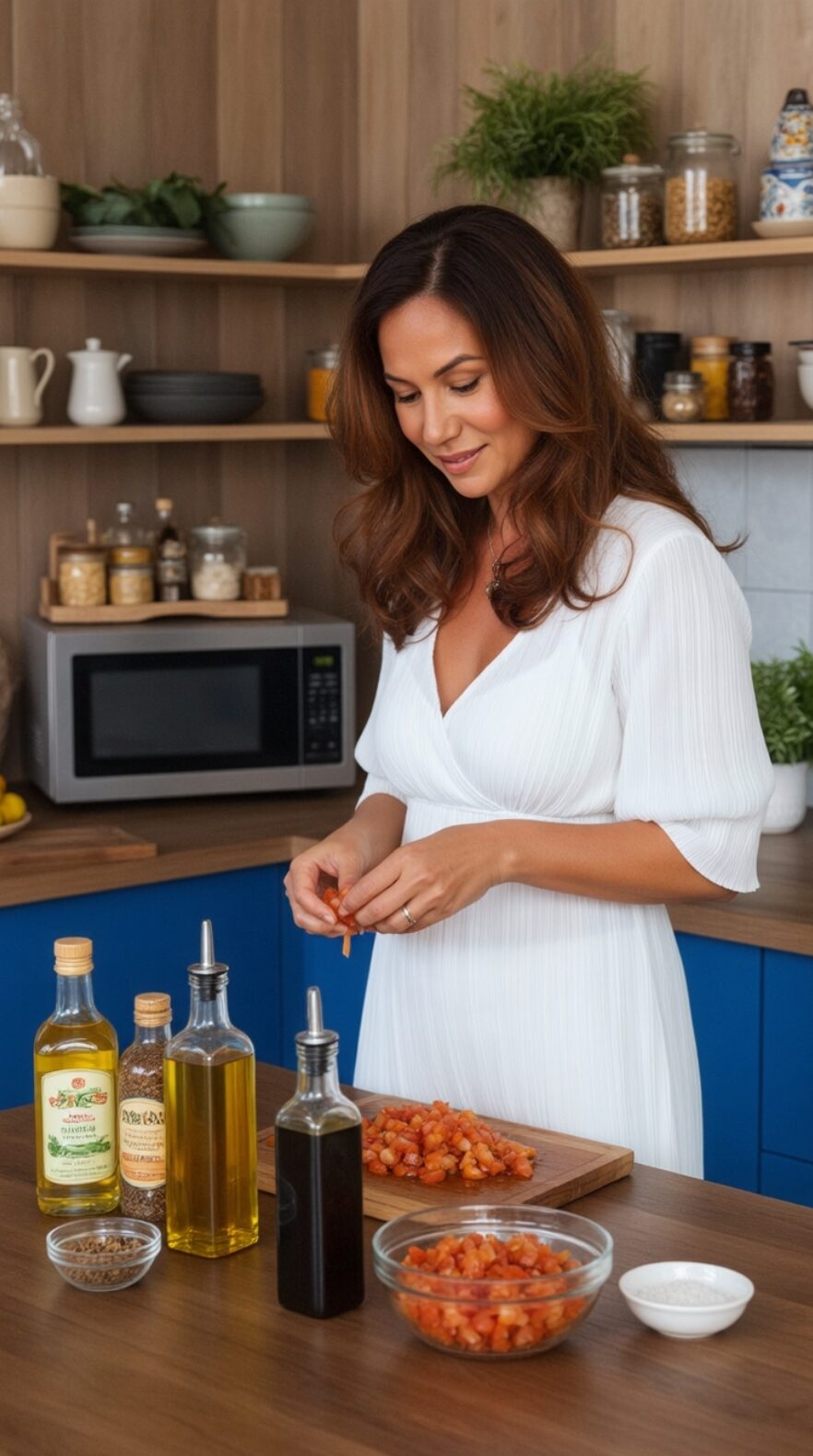
“We know that a varied diet built around vegetables, fruit, wholegrains, quality protein, healthy fats and minimally processed foods supports long-term health,” James says. “The complexity lies in applying those principles to an individual’s life, because nutrition doesn’t exist in a vacuum. Age, hormones, medical history, culture, finances, family responsibilities and even cooking confidence all influence how someone eats.”
These factors play varying degrees of importance in each person’s life and life stage so James begins with the foundations, asking what will make the greatest difference to that particular individual.
For diet veterans, for example, James’ first priority may be surprising – eating enough food, rather than trying to restrict.
“Including adequate protein across the day, consuming plenty of plants and fibre, choosing mostly minimally processed foods and staying properly hydrated are key,” she says. “From there,
I look at factors such as strength training, sleep, stress, alcohol intake and meal regularity. These are not strictly nutritional issues but they have an enormous influence on appetite, blood sugar, body composition and our ability to make healthy choices.”
“After that, the advice can become more individualised. Flexibility is essential because perfection is neither necessary nor sustainable.”
James emphasises that a healthy diet should fit into your life, rather than your life having to revolve around maintaining a perfect diet.
“I encourage women to be consistent with the habits that have the greatest impact, while leaving room for meals out, celebrations and foods they genuinely enjoy.”
During Women’s Health Week, on 10 September, James is speaking at Gordon Library on menopause and perimenopause – and framing both experiences positively.
“These experiences prompt women to look beyond appearance and start thinking seriously about muscle, bone, heart and metabolic health. I’ve seen many women begin strength training, prioritise protein, improve their sleep, reduce alcohol and have overdue health checks because menopause made them stop and pay attention,” she says.
“I would never romanticise the experience, because some women have debilitating symptoms and need proper medical support. However, it can offer an opportunity to reassess how we are living.”
James is a clear supporter of events like Women’s Health Week and does what she can to get involved, but she is also firm on the idea that awareness is only the beginning and turning evidence into action is key.
“The real benefit comes when that conversation leads to a health check, an appointment with a doctor, a new exercise habit or a meaningful change in the way someone eats,” James explains, adding that, having authored two cookbooks on the subjects, The Menopause Diet and The Perimenopause Plan, her aim is to encourage women to act.
“I chose the cookbook format because women don’t only want to know what they should eat.
They want to know what to make for dinner tonight. You explain the importance of protein, fibre, calcium and healthy fats, but that information becomes genuinely useful when someone can see how those nutrients fit together on a plate.”
Because food is a visual and tactile experience, she says that recipes can show someone what a balanced breakfast looks like far more effectively than a page of nutritional targets.
Even with the tastiest healthy recipes, the initial excitement and motivation are almost invariably followed by a steep lull and regression to where we were before. So what does James suggest for that?
“Motivation is useful for getting started, but it is unreliable as a long-term strategy. I recommend starting with two or three specific habits rather than trying to overhaul your entire life. Most importantly, don’t treat one difficult day or week as failure.
The ability to return to your new habits at the next opportunity is far more valuable than attempting to be perfect.”
For James, the best outcome of Women’s Health Week would be for every woman to choose one action she can continue after the event is over.
“It doesn’t have to be impressive enough to post on social media. It simply needs to be realistic enough to become part of her life,” she says.
“We sometimes make health feel too dependent on dramatic transformations. In reality, the practices that protect us are often quite ordinary.”