
Jay Houhlias
We would like to say he began with what upcomers dream of, a big hit. He’d been a musician for years, but in 2014, Conrad Sewell wrote and sent the song Firestone to DJ Kygo. 1.3 billion plays later, along with two albums and a host of other hits, Sewell is still “loving what he does”, still singing the Sewell version of soul.
Australian singer-songwriter Conrad Sewell seems to possess a voice that serves as the perfect complement to modern electronic music. A song created digitally often needs the soul of a human voice so it’s perhaps the reason he has featured on hit after hit including Braver Love (2015), Who Am I (2019) and Kingdom (2020).
Another reason is the real friendships he has formed over his years in the music industry. “Sometimes artists come to you because they like your voice,” Sewell, 38 (HBD for 31 March), explains. “Sometimes you reach out. I write a lot of songs and send them out to people I know – DJs and artists I have relationships with – and most of the time, it’s not the label securing those collaborations. The biggest ones I’ve had have all come from genuine relationships.”
For Sewell’s own album Precious, he brought in a live band to record, creating a big classic sound. Today, doing this is time-consuming and expensive. It requires several artists, sometimes from around the world, to all meet in a specific place for a specific goal – make good noise – but even this is a gamble as you never know if you’re going to ‘nail it’ in a live session.
Sewell drew on his strong relationships to get the sound he wanted within the industry’s commercial constraints. Often, artists will send recordings digitally via the good ol’ internet, and collaborating artists will mix and put the tracks together with their own recordings. This means artists appearing on the same track might never actually meet.
“All the guys I brought in are friends of mine,” Sewell says, adding that a bonus of recording live was that they had creative input that enhanced the album’s tracks. “They were more involved in the arrangements, and that’s such a huge part of the songwriting process when you’re recording live.”
He says the value of the live element in this day and age is super important, especially with AI becoming such a big part of music.
“You just can’t beat a live drummer on a record; the feel they give it is like no other … A lot of the time it comes down to whether you can make it work financially, but if you can, it’s definitely something I want to keep doing.”
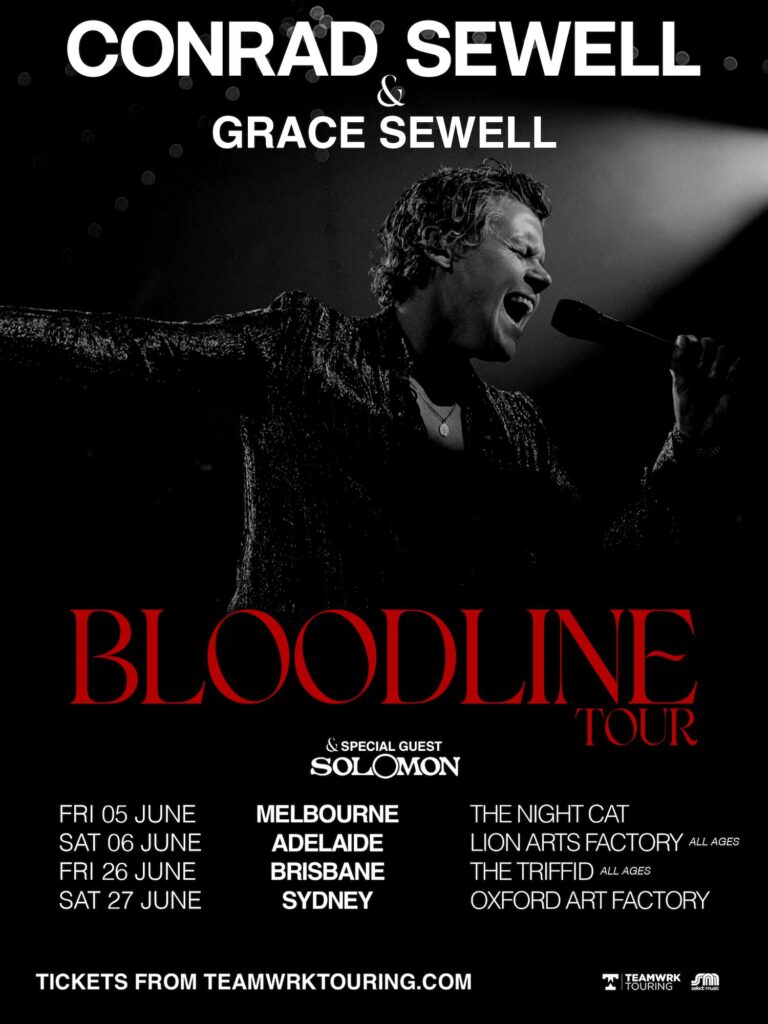
Sewell’s range of collaborations are vast. His upcoming tour, Bloodline, in June, will feature a special run of shows with his Grammy-nominated sister, Grace Sewell. In May 2015, Grace hit number one on the ARIA charts with her cover of Lesley Gore’s You Don’t Own Me, also later earning her a Grammy nomination as part of the Suicide Squad soundtrack. The same year, Sewell’s Start Again, described as a “gospel-tinged ballad”, landed him Song of the Year at the 2015 ARIA Music Awards and the top spot on the ARIA charts, making Conrad and Grace the first Australian-born siblings in the history of the charts (the first siblings since Janet and Michael Jackson) to hit number one as separate acts.
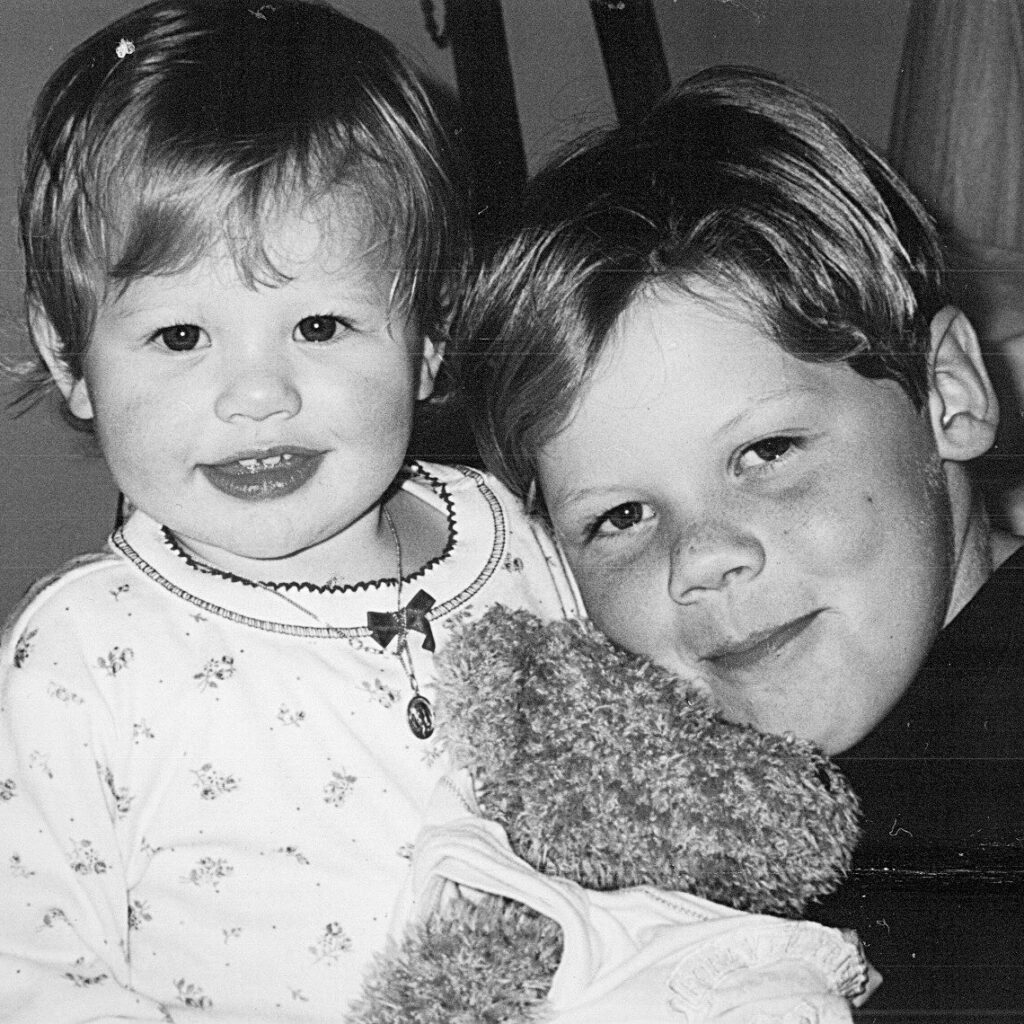
Then and now: Conrad Sewell with his sister Grace, the first Australian-born siblings in the history of the ARIA charts to hit number one as separate acts.

“We’re definitely different.“
“We grew up listening to the same music and loving the same classic songs, but Grace is a lot more driven by R&B voices, whereas I’ve always loved big, anthemic rock-and-roll, stadium-style voices…
“That said, there’s a thread of great soul melody that really joins us together.”
Conrad Sewell on working with Sister Grace Sewell
Sewell says he is heavily influenced by soul music, and while his voice is soulful, carrying with it the remnants of soul singers past, he has had to make it as his authentic self and move away from wanting to emulate or become like his music heroes, which “took him a while”.
“I think, more than anything, it was the standards I set for myself based on my idols that I had to get over. I wanted to win a Grammy by the time I was a teenager or break history in the same way they had. But realistically, all of that doesn’t matter,” he says.
In the fast-moving and sometimes fickle music industry, working with well-known artists suggests a respect born of talent and longevity that is a form of success in its own right. Along with the ‘close to home’ collaborations with his sister Grace, Sewell has performed with huge acts like Ed Sheeran and Maroon 5.
“You learn how to show up every night and do your best. Every crowd is massive, and they’ve paid a lot of money to be there, so you learn how to deliver night after night and not let the little things get in the way. It’s about consistency, professionalism, and just putting on a great show every single time.”
Sewell understands this balance between the responsibility to commercial backers like record companies and the responsibility to his audience and himself to write something meaningful.
“Making a living in this industry is very hard, so if you can find a balance, that’s great,” he says. “If you can find joy in the songs that become your hits, even better because those songs end up providing for you. They’ve provided a life for me, and there’s nothing wrong with that. There’s nothing to shy away from. As long as you love it, it’s all good.
“Ultimately, you just have to love what you’re doing and, fortunately, I love the majority of the music I make. I try to keep it playful and not be too hard on myself creatively. I want the music to mean something, and it always ends up meaning something to me, but more than anything, I’m just trying to write music that makes people feel something and makes them happy.”