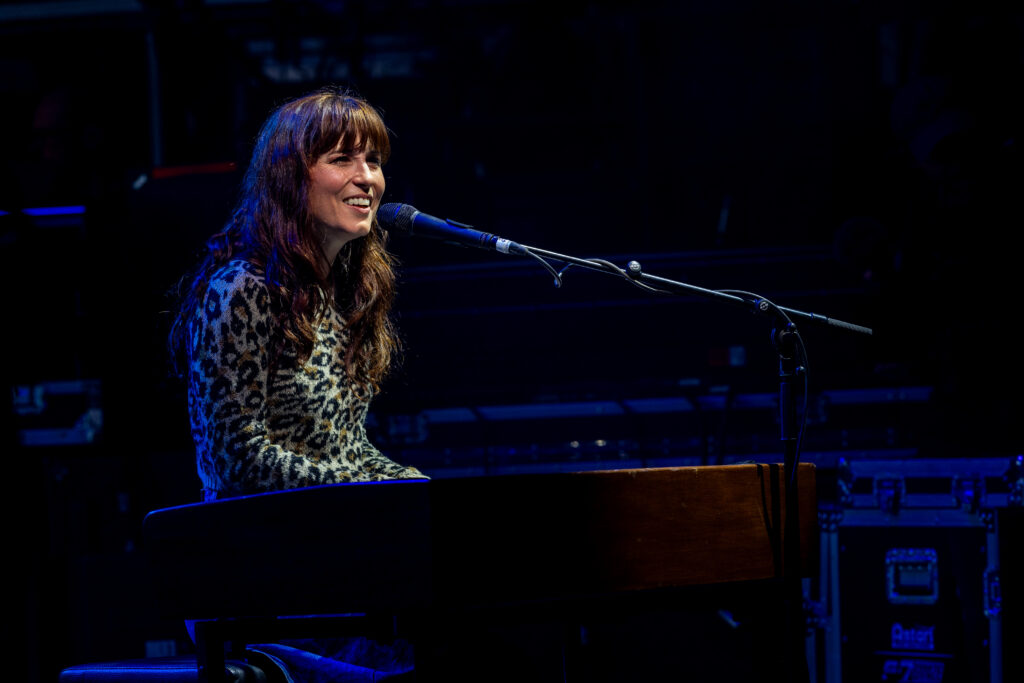
Beloved Melburnian singer-songwriter Missy Higgins speaks with Jay Houhlias on younger years, music, and the idea of authenticity, both in life and art.
Some years ago, a barefoot Missy Higgins would have walked out on stage, either with a guitar, to a piano, or to a lone standing microphone. Her goal was honesty with the music she was about to perform and honesty with herself.
Barefoot because getting on stage and becoming a character in order to perform never really suited her, and it always helped not to wear anything that felt contradictory to who she actually is.
Although she doesn’t perform barefoot as much these days, the idea of authenticity in Higgins’ music has been guiding her career, and her life. But authenticity is not just a value; it’s a verb and needs to be acted out.
Higgins is a classically trained pianist and got her break in high school, winning a Triple J radio demo-tape contest with her song All for Believing. She began looking for a label but was cautious of being branded and made ‘easy to digest’ for the public. Her aversion to cheap stardom came from wanting to stray away from the ‘cringe’ factor present in some pop music at the time.
“I’m not sure if it was that conscious,” Higgins says. “I was so young and I had this real cringe against being a conventional shiny pop star. There was just no way you were going to get me to dress like that or make music like that.
“I’m not sure I thought about it in business and economic terms to be honest; I just wanted to be myself, which I thought was way cooler than miniskirts.”
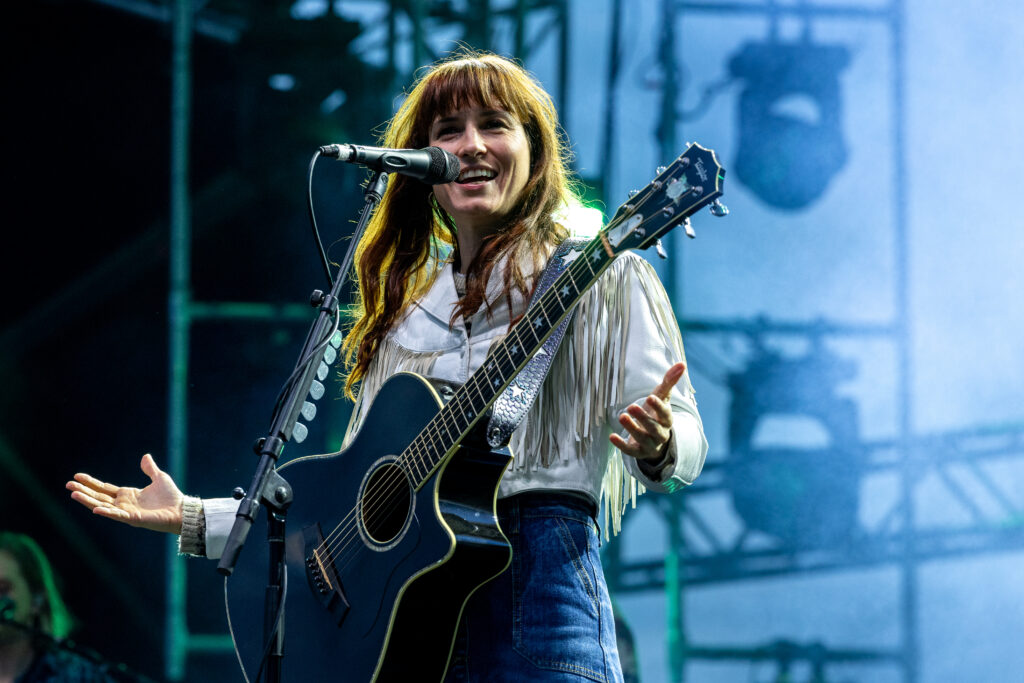
It’s difficult to imagine someone so young with the foresight to reject the easier way forward – to be commercialised and labelled – but Higgins’ goal was never money or fame.
“I just wanted to be successful and respected, that was really important. I just wanted to be respected as a musician and songwriter. My brother and I used to nerd out on music, and form, and songwriting, and the art of it all, so to me that was the priority – to be considered a proper artist, I guess.”
Higgins eventually signed with Australian music company Eleven because they wouldn’t force this kind of pop-stardom on her, and also because they were happy for her to take time off for backpacking.
Higgins had been wanting to travel for a while, so a label that was able to wait, to be patient, to invest long-term in Higgins and her artistic trajectory, was critical. Higgins meant what she said; she wanted to travel and no allure of instant fame would get in the way. Her song All for Believing garnered attention in the US while she was travelling and in 2003 she went there to record her first EP, The Missy Higgins EP, which entered the ARIA Top 50 Singles Chart in August 2004. She then toured Australia supporting Pete Murray and John Butler Trio, and in September 2004, Higgins’ first album The Sound of White was released. It debuted at number one on the ARIA Albums Chart.
The string of events all occurred while and in the wake of Higgins’ backpacking adventures. Unlike Higgins, I remember when I went backpacking, all I came home with were ankle blisters, no money, and some questionable personal hygiene habits.
Higgins’ first album exemplified the type of artist she was and was going to become. Despite her precision and command of complex music, Higgins could always be relatable, with her characteristic Melburnian accent punching through, her classically inspired piano melodies played with vulnerable, “pretty literal, confessional lyrics”.
“Every songwriter is different, but I find it hard to imagine someone else’s story without bringing it back to my own experiences,” Higgins says. “I always make sure I keep the person’s privacy intact, and that I tell it from my perspective, but I remain humble because there are always two sides to every story. I don’t want to feel like I am taking advantage of my platform by telling somebody else’s story.”
Higgins says she likes to “get to the core emotion of whatever I’m going through”. Once there, to the thing she’s afraid of, it’s usually fear or confusion that she says causes her to write a song and expand it out with metaphors and strategically chosen specifics.
If you start from the core emotion, it is going to be universally relatable.
As Higgins says, every artist is different, and some artists are known for their slogging mentality, showing up and grinding it out until it comes, like a manual labourer. But Higgins’ approach is different.
“I am not the kind of person who can force songwriting. I have to be propelled to do it, and I have to feel as though I have something I really need to say,” she says.
“Once I’m 80% happy with a song, I’ll send it to my manager. Just the fact that I’m sending it out to other people helps me get some perspective on it.”
Often, the feedback leans more on the practical side, and Higgins has struck a nice balance between taking that on and relying on herself as the conduit for whatever message she is trying to get across.
“When I’m happy with a song, playing for a live audience really shows me how much it’s going to connect with people, because I can just feel it, even regardless of their reaction. During the song, I can just feel if it’s working or not,” she says.
“It’s more like an energy. It’s weird, I’m not sure if it has anything to do with the audience’s reaction. For some reason, I am able to have an out-of-body experience when playing the song. I can sit in the audience and listen to it, and I can just feel whether it works.”
Feeling things in such a way must take a toll. To be an artist like Higgins often requires an awareness of things unfelt or unexpressed, and great music is often the result of great pain or difficult emotions.
When I broached the topic, Higgins said making music, particularly when she was younger, had the opposite outcome.
“It was the thing that helped me make sense of such a chaotic time in my life. It helped me understand the world around me. It’s an incredible gift, free therapy, and, in fact, I get paid for it!” she says. “I never feel like it’s a chore to write from a place of pain. I am so lucky to have this avenue to channel all of the difficult parts of me into my music. It really is my way of detangling things, trying to figure out what’s going on.
“I package it up in this beautiful piece of art which I can then share with people, and they can make it their own, and hopefully it will help them too.
“I feel really lucky to do that.”
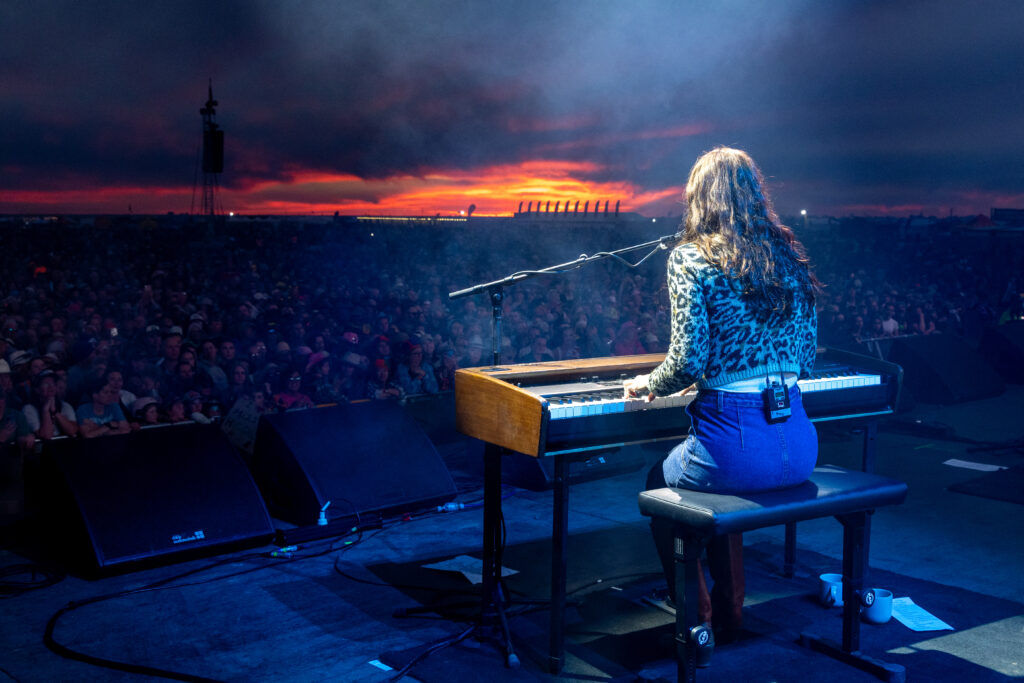
All photo credits: Matt Williams